

While Ukraine continues to count its dead, wounded, and those freed from captivity, another frontline is taking shape: the mental one.
Its consequences are not visible in daily reports or casualty statistics, yet they will define what Ukraine will look like after the war: resilient, or traumatized for generations to come.
This is especially evident in children growing up under constant stress, anxiety, and the loss of stability. Children of military personnel, in particular, are carrying the psychological burden of war without having chosen it. While adults may be able to recognize and process trauma, children often live through it in silence, internalizing anxiety as part of their future emotional framework.
How Ukraine is learning to heal people after captivity, combat, and PTSD
As of 2026, around 7,000 Ukrainian service members remain in russian captivity. More than 8,000 people have been returned through prisoner exchanges, yet captivity does not end with physical release. Its effects require long-term psychological recovery.
According to international monitoring missions, more than 14,000 civilians were killed or injured in Ukraine in 2025 alone. Since the start of the full-scale invasion, nearly 100,000 people have lost limbs. Including those treated abroad, estimates reach up to 120,000 amputation cases among both military personnel and civilians.
Returning from the front line, captivity, or rehabilitation after injury does not mean returning to a previous life. Many service members remain in a constant state of tension, control, and emotional distance. The experience of captivity, in particular, often destroys a person’s fundamental trust in others.
For children living in wartime conditions or after repeated displacement, adaptation is often shaped by anxiety rather than healthy development, creating long-term consequences for an entire generation. Military families face another painful reality: life together continues, but under the weight of stress and profoundly different lived experiences, psychological synchrony and mutual understanding often begin to disappear.
Support is needed now, not after the war
Ukraine is facing, for the first time, a phenomenon of trauma without closure, where psychological recovery is needed not after the war, but during it.
Trauma in a prolonged war differs from classical PTSD because the traumatic event does not end. Society exists in a constant state of uncertainty, without knowing what tomorrow will bring, without any sense that danger has truly passed. A person who has survived captivity, severe injury, or prolonged combat needs more than therapy. They need an environment capable of understanding and accepting their condition.
This is the element most missing from Ukraine’s psychological rehabilitation system: safe spaces for recovery. The same applies to children growing up under chronic anxiety.
“For children of military personnel, this experience is even more complex because one of their primary sources of safety, a parent, is often absent. A child lives with an internal conflict: my father is protecting the country, but he is not here to protect me. And when they see peers whose parents are at home, this can intensify feelings of injustice, resentment, and loneliness. A child’s psyche does not postpone emotions ‘for later.’ If fear, anxiety, or pain remain unsupported, they can become deeply rooted trauma,” says psychologist Tatiana Makovska.
Safe environments are critically important
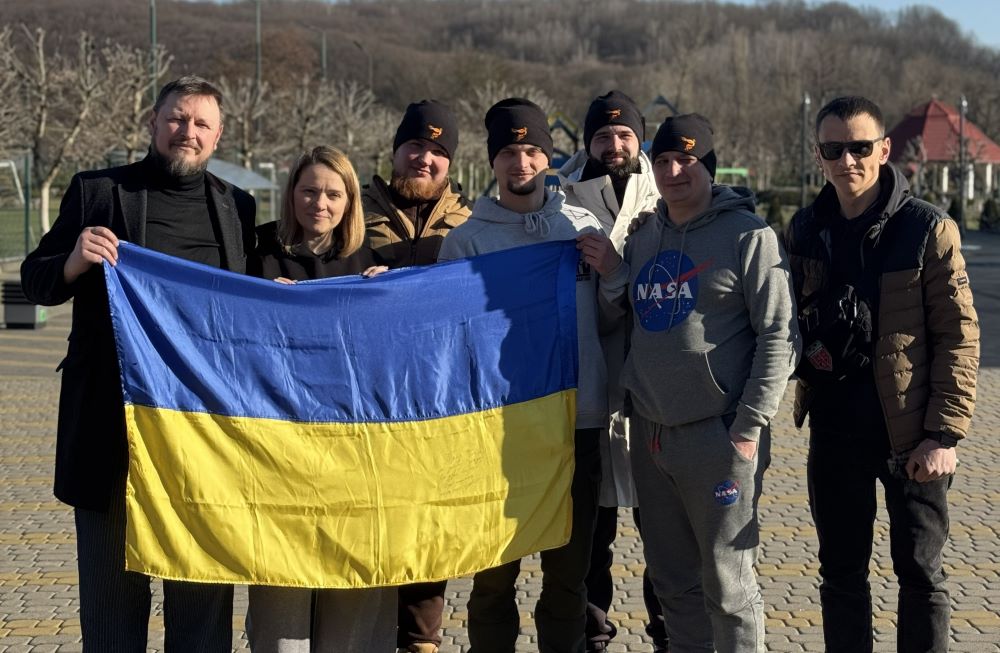
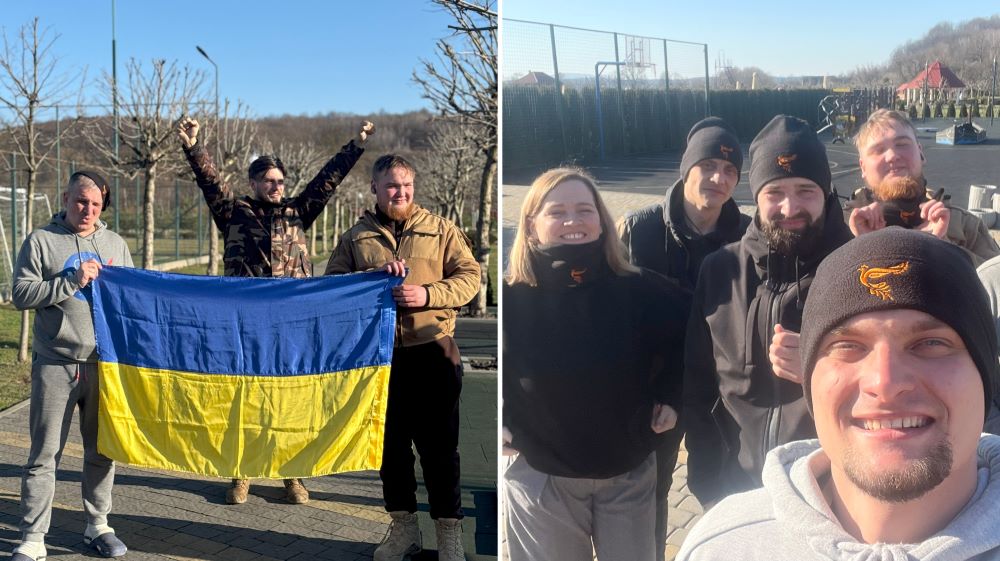
Phoenix Program is one of the few recovery models in Ukraine where rehabilitation systems for military personnel, veterans, children, and families are built not only by civilian specialists, but by people with direct combat experience.
The Phoenix Program was originally created within the framework of the 118th Separate Territorial Defense Brigade in response to the real needs of service members and their families. Over time, it expanded significantly to support civilians as well.
The program combines psychological work, social adaptation, and shared lived experience in a safe environment. Its defining feature is that it is led by military personnel, chaplains, and psychologists who have personally experienced war.
This creates a fundamentally different level of trust: participants do not have to explain what they have been through.
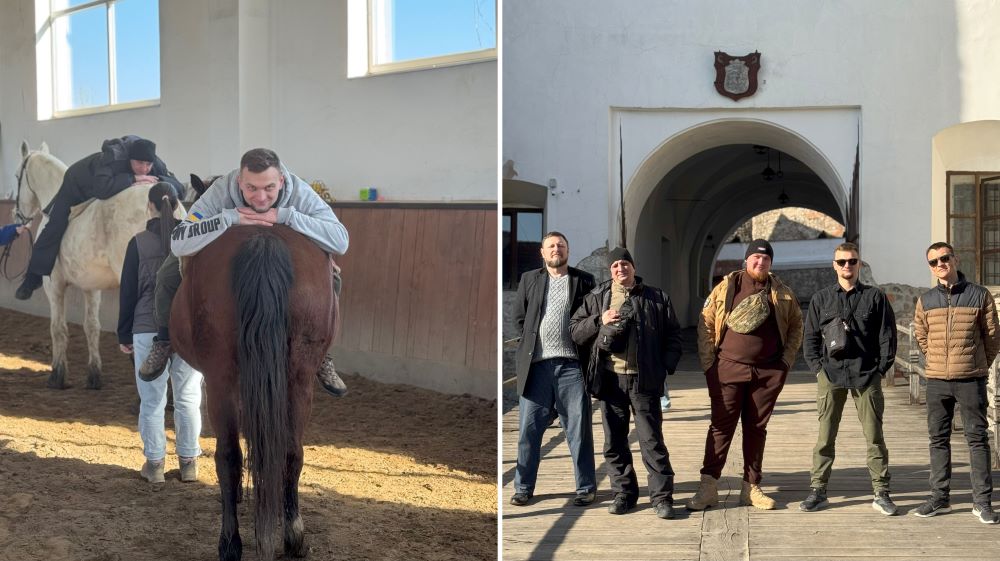
“Camps, retreats, and therapeutic groups are not simply leisure activities or a change of scenery. They are intentionally created spaces where a person enters a circle of understanding, support, friendship, and care. In these conditions, recovery happens more naturally and more quickly because several critically important factors work together at once: safety, community, acceptance, activity, and new positive experiences. For the human psyche, this is essential. Healing does not happen only through talking about pain, but through experiencing life again as something that includes joy, trust, and a sense of grounding. It is in a safe environment that a person stops defending themselves and begins recovering,” says Phoenix Program psychologist Tatiana Makovska.
Group recovery can be more effective than individual therapy
“Individual therapy is important, but it is not always accessible or psychologically comfortable for everyone. Not every child or adult is ready to open up one-on-one. Often, there is not even a clearly formed request for help, only painful experiences that are difficult to put into words. In a group setting, this barrier is lower. When people are surrounded by others with similar experiences, a powerful normalization effect emerges: a person sees that their reactions are not ‘wrong,’ ‘strange,’ or ‘weak’ — they are natural. A group provides something even the strongest specialist alone cannot give: the living confirmation that ‘I am not alone.’ This reduces inner isolation and begins the recovery process. The key is not to miss the moment before trauma becomes deeply rooted,” the psychologist adds.
“At a time of total misunderstanding in society, this is where I felt the support I was missing”
Veterans with captivity experience describe recovery as a process of rebuilding inner stability.
“In captivity, I met a man from my hometown. Instead of support, he said I should be shot, and a weapon was held to my temple. Strange as it sounds, in that moment I felt calm, no fear, no panic, only a clear sense of the line between life and death. I started praying, and that moment passed. After returning, another stage begins: the journey back to yourself, to your inner foundation. That is where the feeling of light returns, the kind of light that allows you to move forward again,” says Heorhii Chursin.
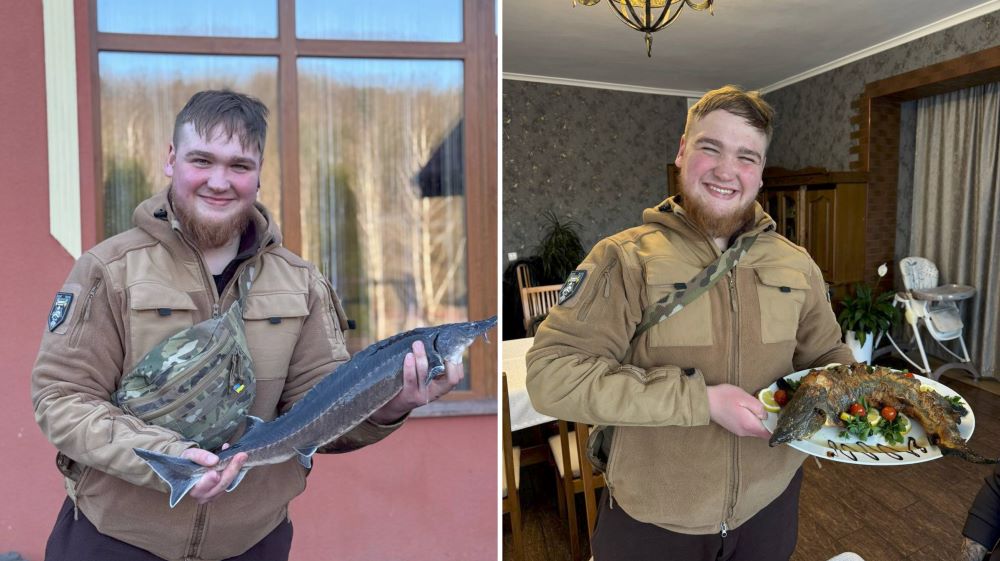
“At a time of total hypocrisy and misunderstanding in society, this was the place (within the Phoenix Program, ed.) where I felt authenticity and the support I had been missing. I wish more people could have access to this kind of help and understanding. It is important to realize that everything depends on us: not being afraid to engage, to act, to make a difference. Because what we have lived through was not in vain. This experience was not meaningless. And every story deserves a future,” says Dmytro Labunskyi, a veteran with captivity experience.
Why communities of “their own” work better than institutions
Volodymyr Ridnyi, a serviceman, chaplain of the 118th Separate Territorial Defense Brigade, and head of the Phoenix Program, emphasizes that the key factor in recovery is the environment, a space where people feel they are among their own and can speak without having to explain basic realities.
“For people with combat experience, it is critically important to have an environment where they are not judged and are not forced to adapt to someone else’s logic. They open up faster where there is recognizable experience. In military communities, this principle becomes even more pronounced,” the chaplain says.
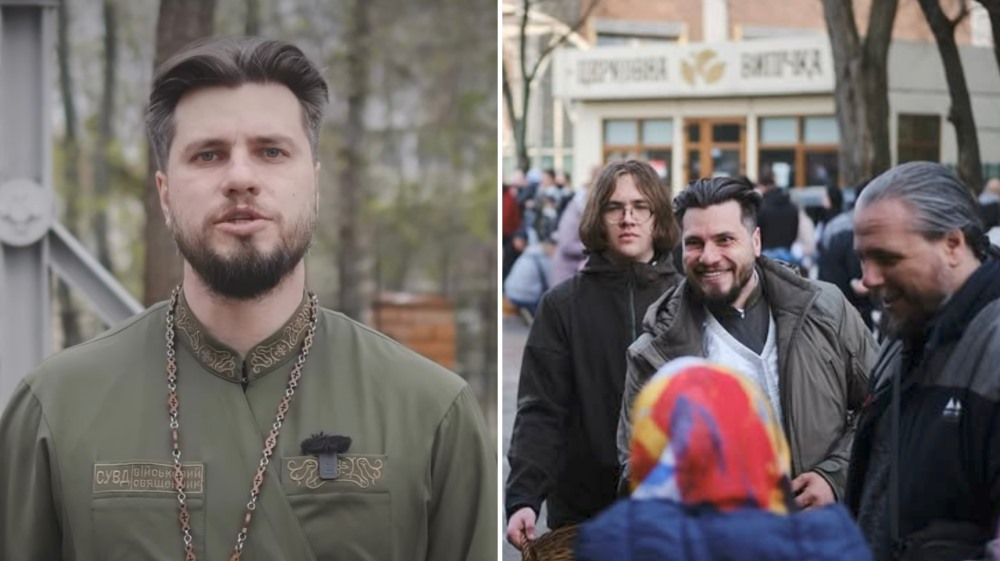
The formation of groups, trust built through shared experience, and the natural distinction between “one’s own” and “outsiders” is not simply a social characteristic, it is a mechanism of survival and mutual support.
That is why, after adapting to civilian life, many veterans instinctively seek out their own communities.
The Phoenix Program has built a model that transfers this logic into a safe recovery environment. Participants are placed into groups of people with similar lived experiences, where trust forms more quickly, not through explanations, but through shared understanding.
The organizers explain that this approach was intentional: instead of creating formal distance between specialist and participant, the program is built on equal, human-centered interaction.
Within the program, the community does not disappear once a retreat or camp ends. Participants stay connected, continue communicating with one another and with the team, and part of this interaction develops into long-term support. For many participants, this becomes an informal point of stabilization, an environment where they continue to feel understood and supported without needing to explain their experience from the beginning every time.
Interim results
Since the start of the full-scale invasion, the mental recovery program has supported more than 750 children of military personnel. Around 700 children completed recovery programs in Ukraine, while another 50 participated in international recovery formats abroad, including in Lithuania, Switzerland, Poland, and France.
These results reflect the developed model of the Phoenix Program, which combines recovery work inside Ukraine with intensive offsite recovery programs in safe environments. This approach makes it possible to combine psychological support, a change of environment, and deep restorative work for children of military families.
At present, around 20 adult participants have completed the recovery program, as the adult branch of the initiative only launched in February 2026. The most notable results have come from groups of veterans with captivity experience, where specialists observed significant recovery progress, particularly in reducing anxiety, rebuilding trust, and restoring inner stability.
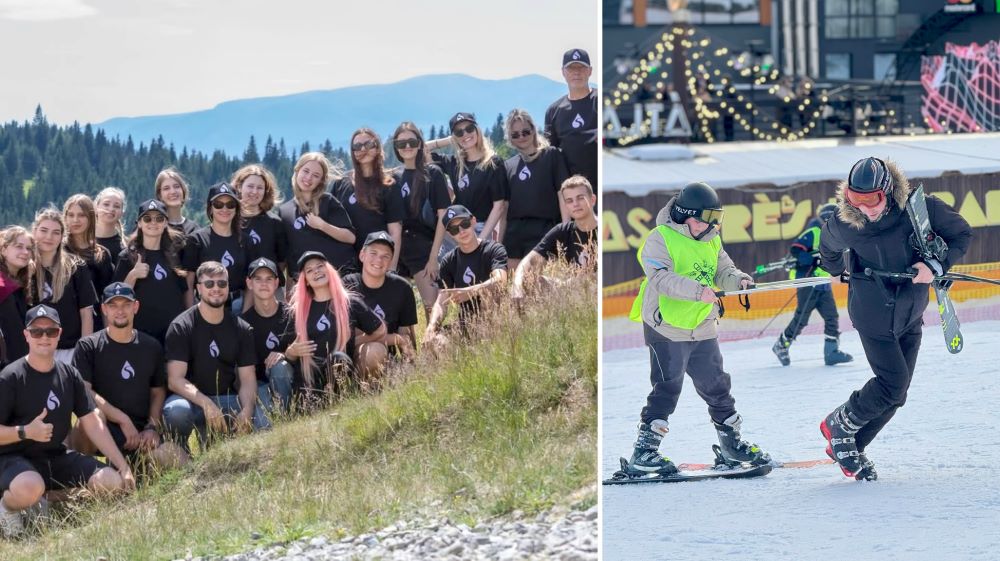
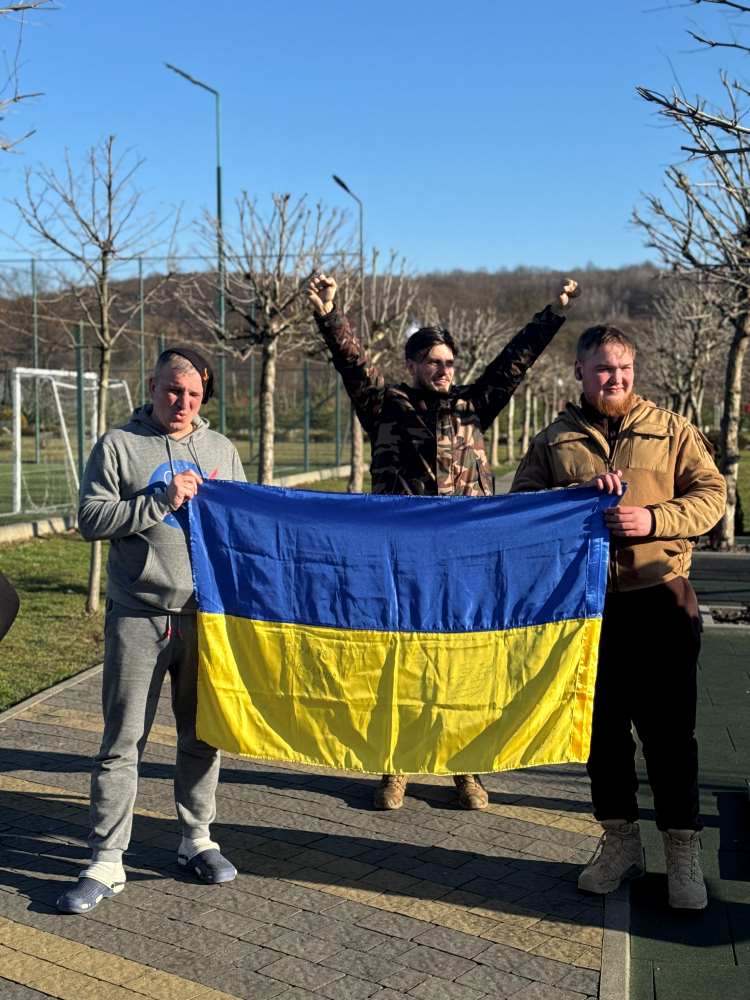
“The most valuable thing you lose in captivity is freedom and the ability to make decisions. When this lasts for more than three years, you adapt to it and make yourself a promise: not to lose the person you are inside. After returning, you are no longer the same person you were before. You have less strength, fewer inner resources, and that requires work. In the Phoenix Program, being alongside brothers-in-arms and psychologists gives you a chance to adapt, to reduce the inner anxiety that often comes back. Here, you can allow yourself to rest and recover, and without that, it is difficult to return to life,” says veteran Roman Borshch.
How to join the Phoenix Program
Children of military personnel and adult participants can join the Phoenix Program. Each category has its own recovery format, depending on the needs of the individual or family.
Participation begins with предварня registration and an assessment process to determine the most suitable format of support. A separate direction of the Phoenix Program’s work is cooperation with communities and organizations that help support the project and expand access for children of military personnel, veterans, and families from different regions of Ukraine, including frontline areas.
Applications to join the Phoenix Program can be submitted here or via the support line: +380 73 118 00 00.
The Phoenix Program works systematically to keep participation in its programs for children and adults as accessible as possible, free of charge or for a minimal symbolic contribution. To make this possible, the program engages partners and donors who co-finance initiatives and help expand access to quality mental recovery services. At the same time, demand for such programs remains extremely high: tens of thousands of people need mental health recovery, stabilization, and emotional restoration. Given limited resources, the project also offers participation on a self-funded basis for those who are able to cover organizational costs themselves. This model allows the program to scale, reach more participants, and direct partner support where it is needed most.
What happens if nothing is done?
Without systematic recovery, the consequences of war will not end when the fighting stops.
They will continue for years in the form of broken trust, isolation, aggression, fractured family relationships, and the intergenerational transmission of trauma.
If these processes remain unanswered at a systemic level, their effects will not disappear with the end of active combat. Instead, they will evolve into long-term social consequences: broken social bonds, loss of trust, chronic stress within families, and trauma passed between generations. In such conditions, recovery ceases to be an individual matter and becomes a question of society’s broader resilience as a whole.


Leave a Reply